"Is Imlil safe?" is one of the first questions we hear from travellers planning a Toubkal trek or a day in the Atlas. It is a fair question: you are heading into the mountains, often for the first time in Morocco, and you want honest information rather than marketing.
The short answer is that Imlil is a calm, welcoming village and the vast majority of visits are trouble-free. The real risks are the ones you find in any mountain area, weather, altitude and terrain, plus a few practical points about travelling in rural Morocco. This guide covers them all.
Is Imlil safe for tourists in 2026?
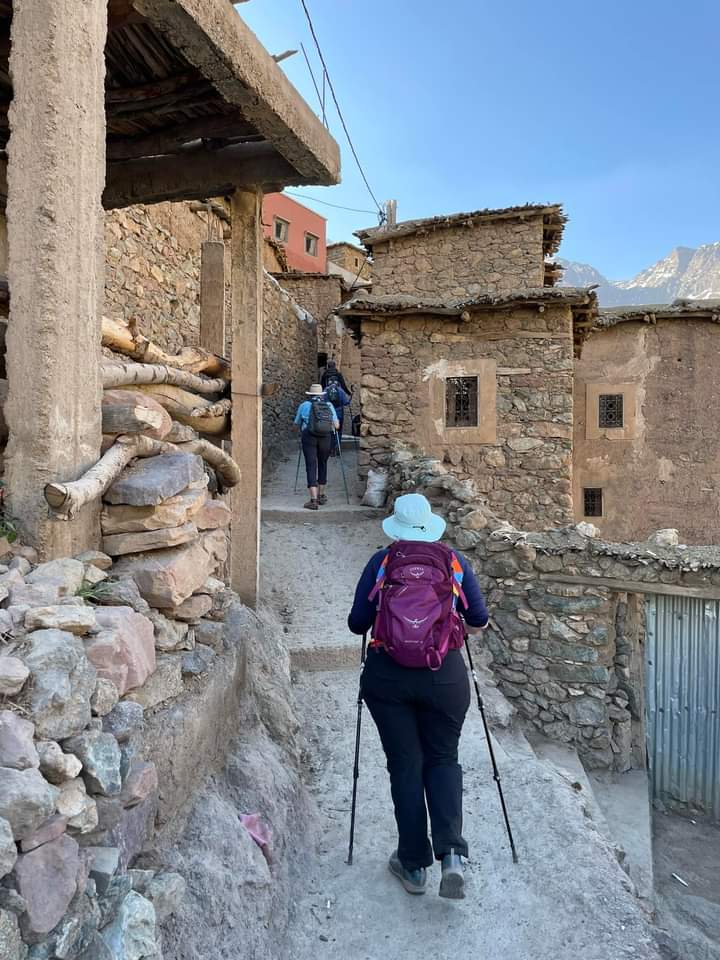
Yes, Imlil is generally considered safe for tourists. It is a small farming village where many families host travellers, guide treks or run mules, so tourism is part of daily life and visitors are welcome. Petty crime is rare compared with large cities. Like any destination, conditions can change, so always check your government's travel advice before you go, for example the UK Foreign Office advice for Morocco.
Two past events are worth knowing about. In December 2018, two young hikers were murdered near the Toubkal trail, a rare and shocking crime that deeply affected the local community. Since then, authorities have strengthened security in the area and made a licensed guide compulsory for the ascent of Toubkal. In September 2023, the Al Haouz earthquake caused serious damage across the region, including in Imlil. Reconstruction has continued since, and the valley is open to visitors.
The real risks: mountains, not people
For most visitors, the main safety considerations are environmental:
- Altitude: Toubkal reaches 4,167 m. Headaches, nausea and poor sleep at the refuge (around 3,207 m) are common symptoms of altitude sickness.
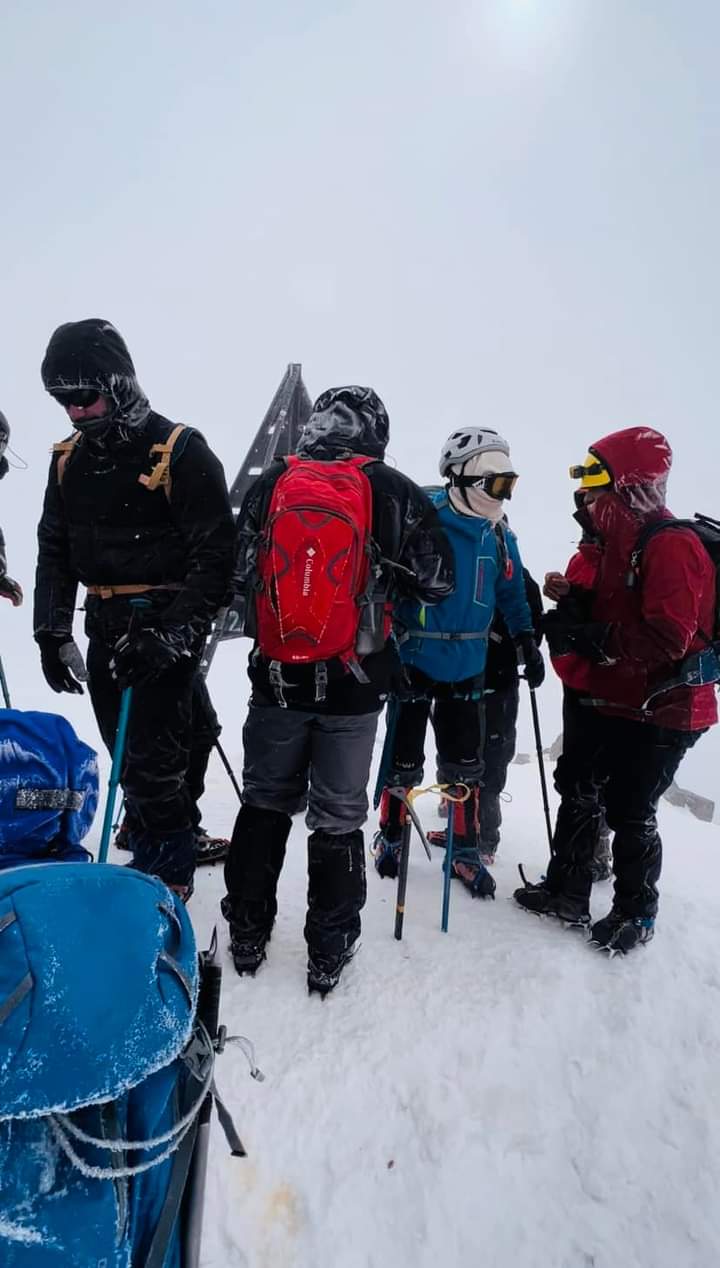
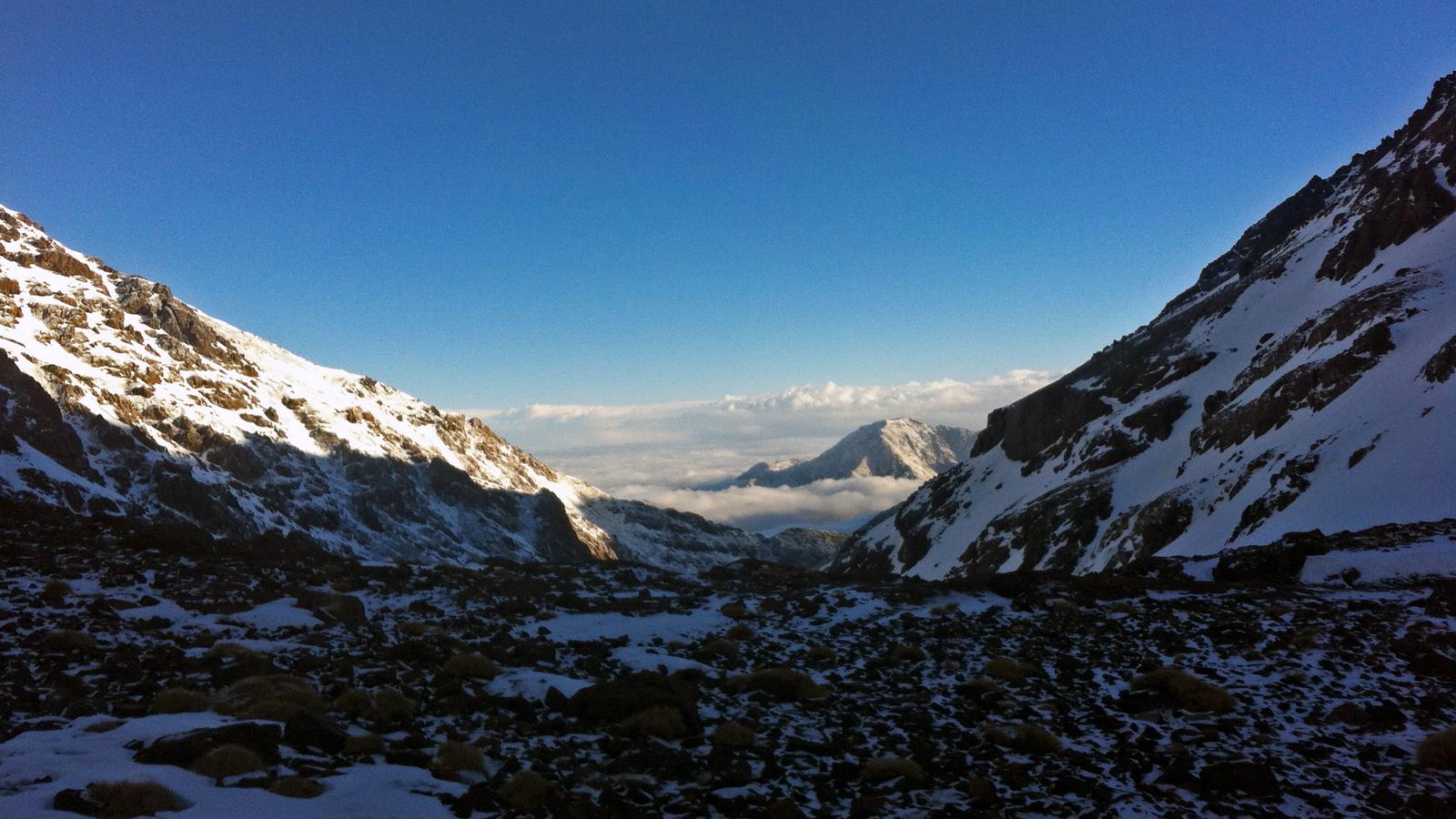
- Weather: storms, strong winds and sudden temperature drops can occur in any season. In winter, snow and ice cover the upper slopes.
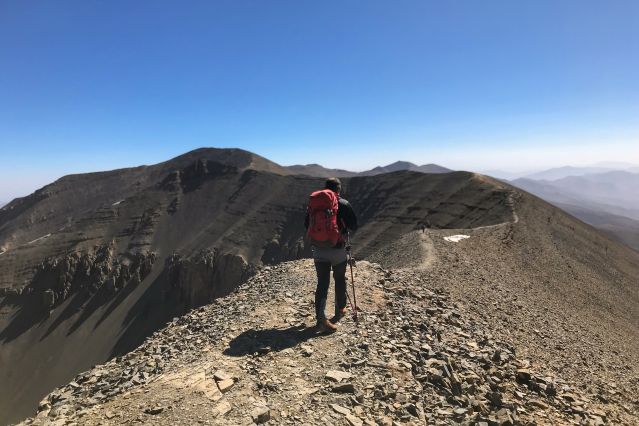
- Terrain: scree, loose rock and steep descents cause most twisted ankles and falls.
- Sun and dehydration: the sun is intense at altitude even when the air is cool.
- Flash floods: after heavy storms, riverbeds can flood quickly; never camp in a dry riverbed.
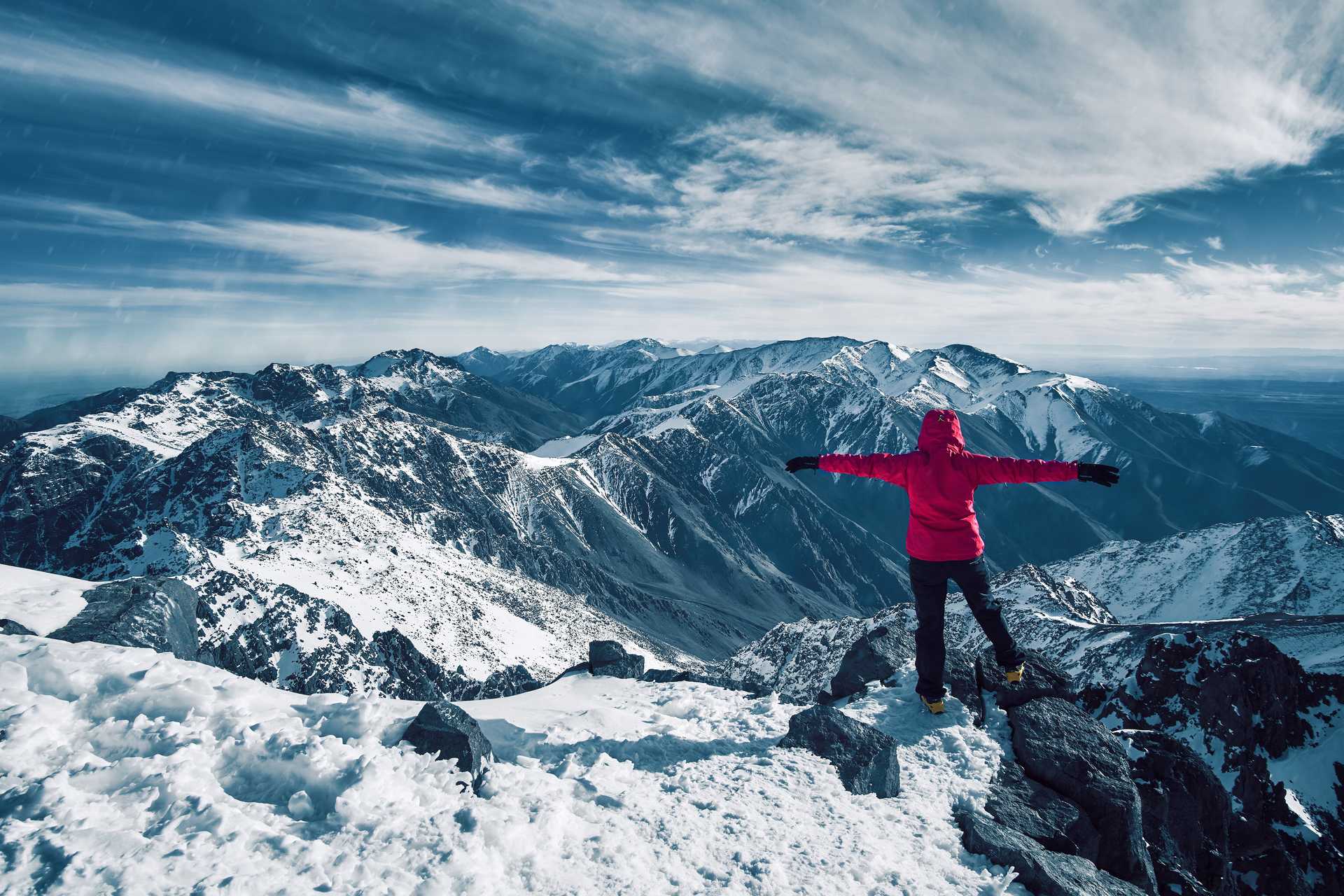
Safety comparison by activity
| Activity | Main risks | Guide needed? | Key precaution |
|---|---|---|---|
| Village walks around Imlil | Uneven paths, sun | Recommended, not mandatory | Good shoes, water |
| Valley treks (Azzaden, Tacheddirt) | Weather, navigation | Strongly recommended | Check forecast, layers |
| Toubkal summer ascent | Altitude, scree, cold at dawn | Required | Acclimatise, pace slowly |
| Toubkal winter ascent | Ice, avalanche, extreme cold | Required, experienced | Crampons, ice axe, helmet |
| Ski touring | Avalanche, icy slopes | Required, ski-touring guide | Avalanche kit, conditions check |
Is it safe to hike Toubkal without a guide?
Independent ascent is no longer permitted: trekkers must be accompanied by a licensed mountain guide, and there are checkpoints on the route. Beyond the rule, a guide brings real safety value. Local guides know where the path is lost in snow, when to turn back in wind, how to spot early altitude sickness, and how to organise a mule evacuation if someone is injured. Our Toubkal trek guide explains how guided ascents work, and the 3-day Toubkal summit trek adds an acclimatisation night that lowers the risk of altitude problems.
Is Imlil safe for solo female travellers?
Many women travel to Imlil alone or in small groups and report feeling comfortable. Village culture is conservative and respectful; people are curious but rarely intrusive. Practical tips:
- Dress modestly, with shoulders and knees covered, which also protects from sun.
- Book a guide through a known local agency rather than accepting offers on arrival.
- Share your itinerary with someone at home.
- Choose family-run guesthouses with good reviews.
How to stay safe in Imlil: step by step
- Check official travel advice and the weather forecast in the days before your trip.
- Book a licensed local guide and agree on the itinerary and the turnaround rules.
- Take out travel insurance that covers trekking at altitude and, in winter, mountaineering.
- Acclimatise: sleep a night at Imlil or a village before the refuge if possible.
- Pack properly: layers, waterproof, hat, gloves, sun protection, headlamp and a first-aid kit.
- Drink plenty of water (treated or bottled) and eat regularly.
- Listen to your guide and your body; descending is the cure for altitude sickness.
Health, food and water
Food served in guesthouses and on treks is freshly cooked and generally safe. Tap water in Imlil comes from mountain springs, but visitors' stomachs are not used to it; drink bottled water or use a filter or purification tablets. Bring basic medication: painkillers, rehydration salts, anti-diarrhoea tablets, blister care and any personal prescriptions. The nearest well-equipped hospitals are in Marrakech, about 1.5 hours away, which is another reason to trek with a guide who can organise evacuation quickly.
Transport safety
The road from Marrakech to Imlil is paved and in good condition, but it is narrow and winding near the end, with occasional rockfalls after storms. Shared taxis are cheap but often overloaded. A private transfer with an experienced local driver is the safest and most comfortable option; our page on how to get from Marrakech to Imlil compares the options.
Scams and hassles to avoid
Hassle in Imlil is mild compared with Marrakech's medina, but a few situations come up. Unlicensed "guides" sometimes approach visitors at the car park; politely decline and stick to your booked guide. Agree on prices for mules, transport or extras before you start. Do not hand passports to anyone other than your guesthouse or official checkpoint staff. If something feels wrong, ask your guesthouse owner, who will know the local guides personally.
What to do in an emergency
Mobile coverage is good in Imlil and along much of the Toubkal trail, though it can drop in side valleys. Save your guide's number, your guesthouse's number and your insurer's emergency line before you set out. In Morocco, the general emergency numbers are 19 for police and 15 for medical emergencies, and the Gendarmerie Royale covers rural areas. On the mountain, evacuation usually starts with a mule to the nearest track, followed by road transfer to Marrakech; in serious cases a helicopter may be requested through the authorities. Your guide knows the procedures, which is one more reason never to trek alone. Keep a copy of your passport and insurance details on your phone and on paper.
Key takeaways
- Imlil is a calm, welcoming village; serious crime is very rare.
- The main risks are altitude, weather and terrain, especially on Toubkal.
- A licensed guide is compulsory for Toubkal and wise on all treks.
- Insurance, acclimatisation and good gear make the biggest difference.
For seasonal conditions, read our guide to Imlil weather by month, and for winter conditions on the mountain, see Toubkal ski touring.