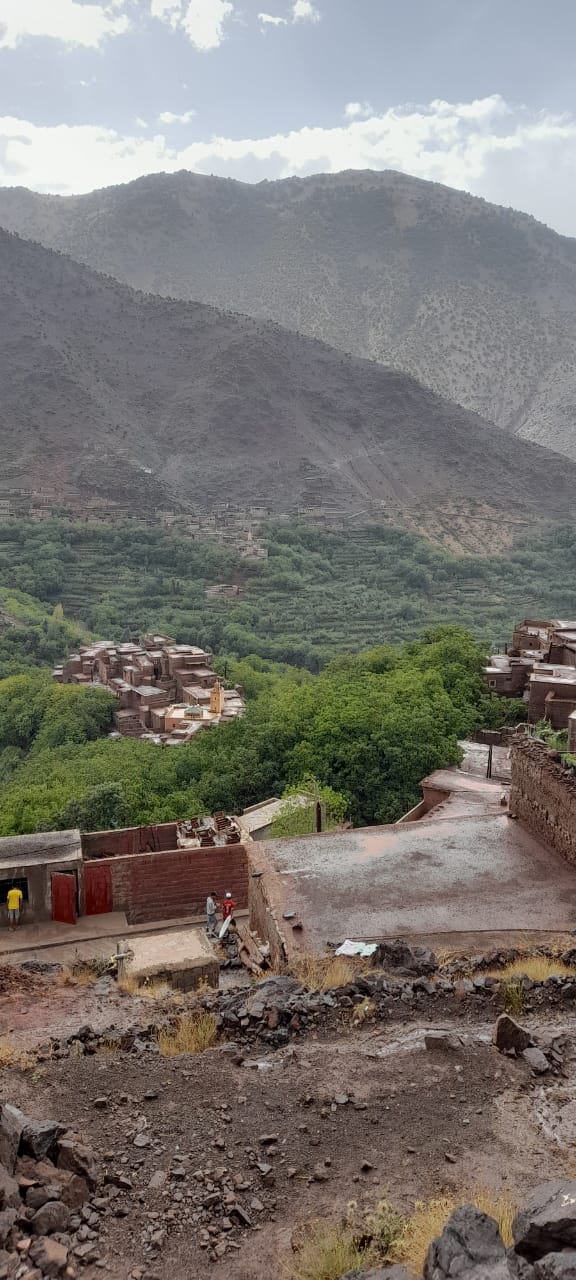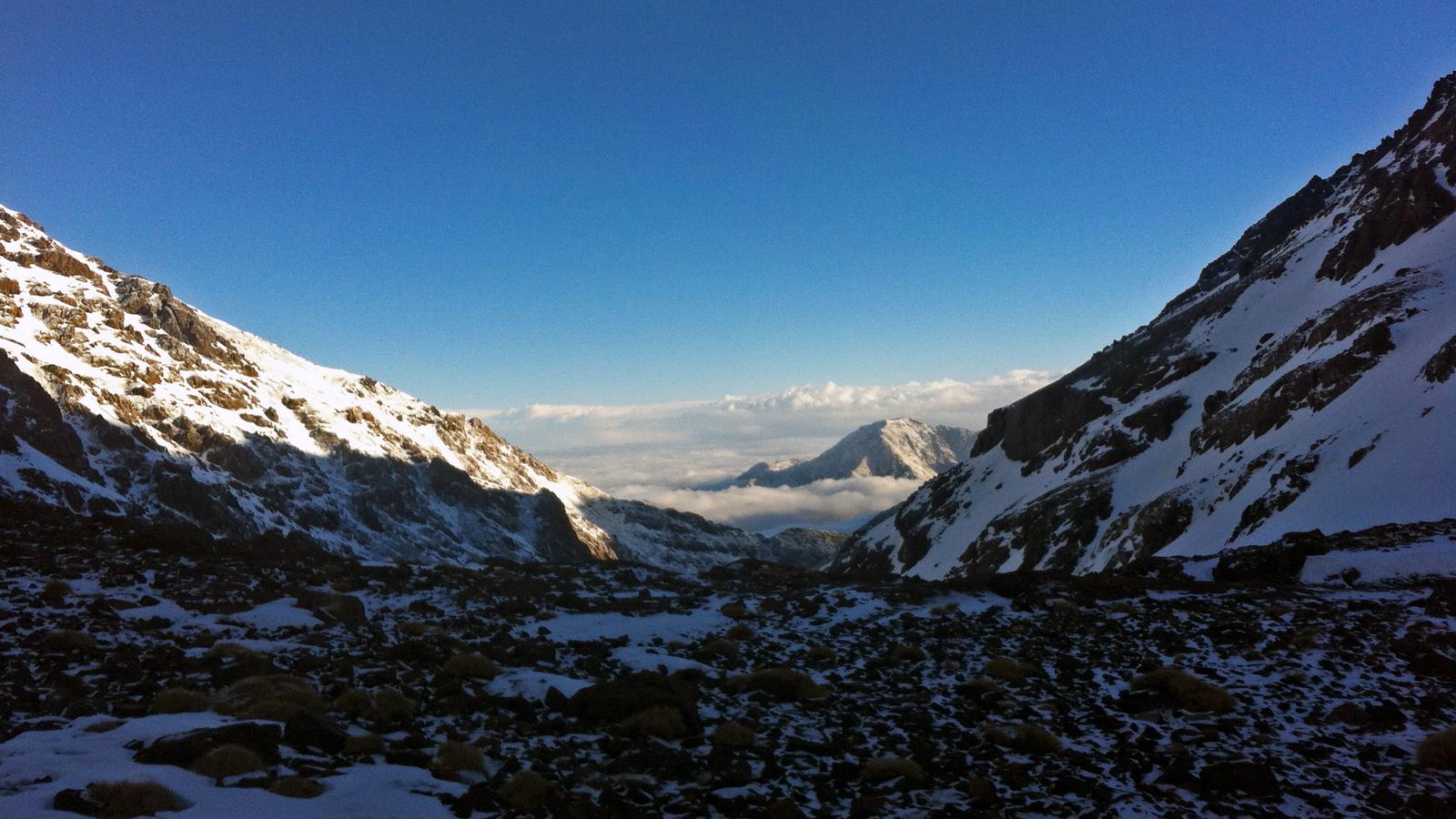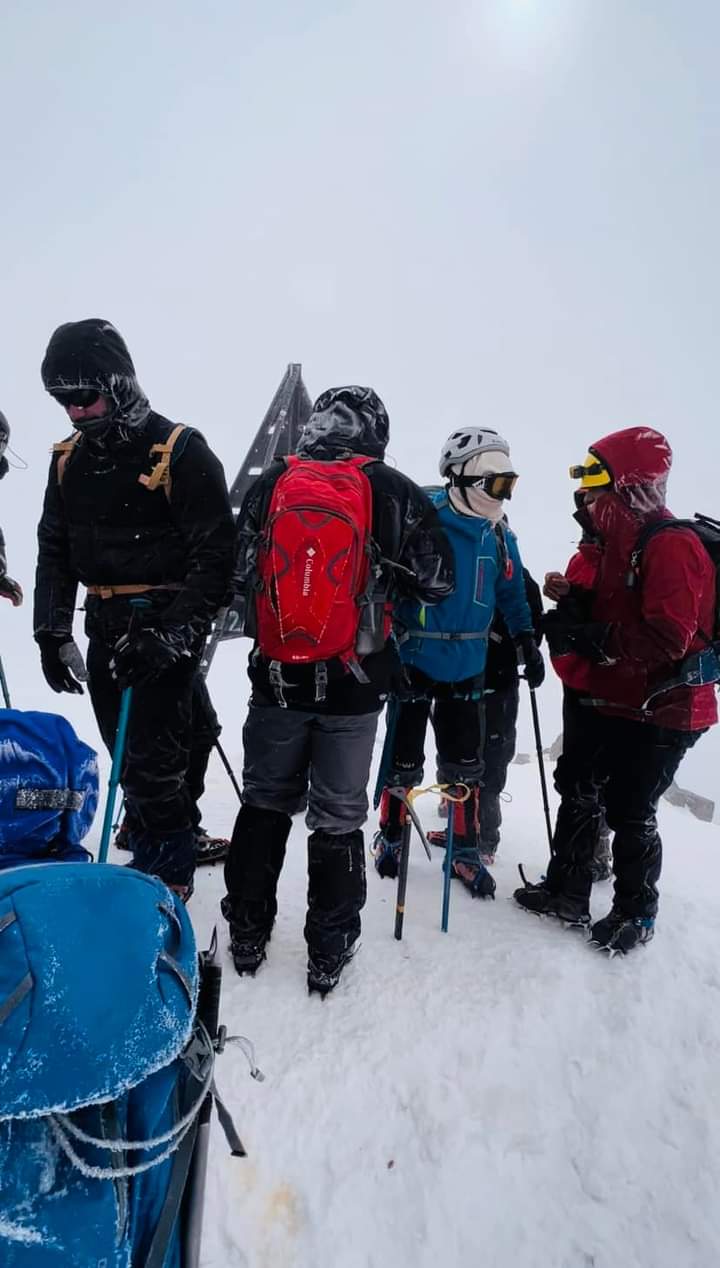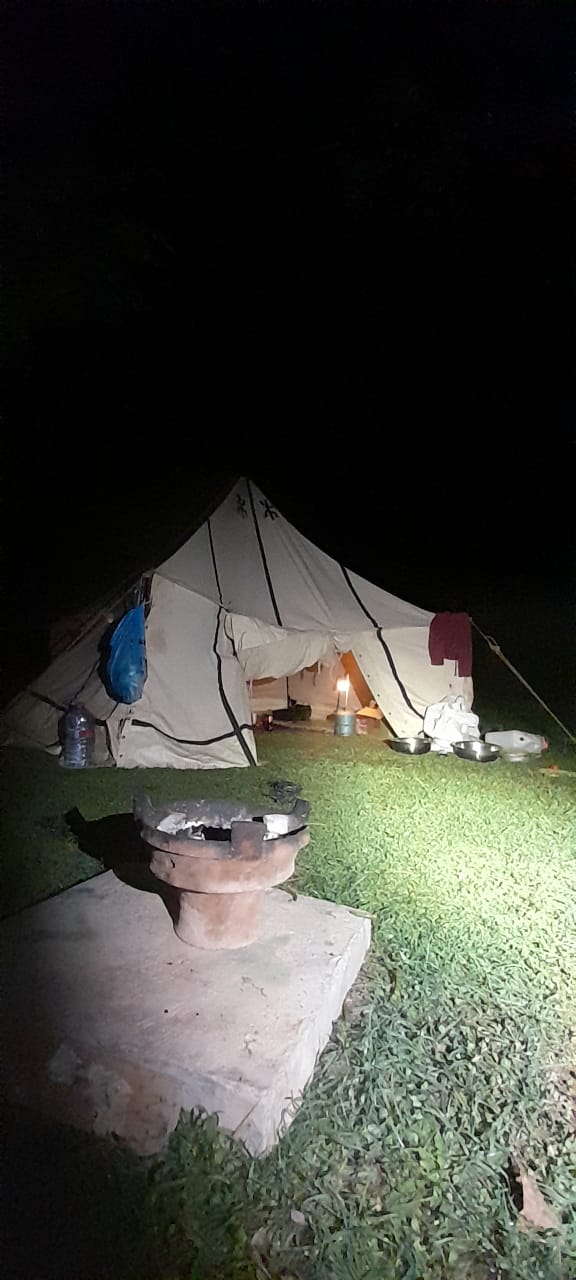
Lower, warmer and greener than Imlil, the Ouirgane valley is where the High Atlas begins to soften into olive groves, red earth and pine-covered hills. It is a favourite for travellers who want mountain air without high-altitude effort, and it connects naturally with the Toubkal area by road or on foot.
This guide covers the Ouirgane valley: where it is, what to do, how to get there from Marrakech, and how to trek from Imlil to Ouirgane over two or three days.
Where is the Ouirgane valley?
Ouirgane lies around 60 km south of Marrakech on the R203 road toward the Tizi n'Test pass, at an altitude of roughly 1,000 m. The Oued Nfis river runs through the area, and a reservoir behind the Yacoub El Mansour dam has created a lake surrounded by hills. The valley is about 15 km south-west of Asni and sits at the western edge of the Toubkal massif, making it a natural end point for treks that start in Imlil.
Like much of the Al Haouz province, Ouirgane was affected by the September 2023 earthquake. Reconstruction has been ongoing, and visiting with local guides and staying in local guesthouses is one direct way to support the communities.
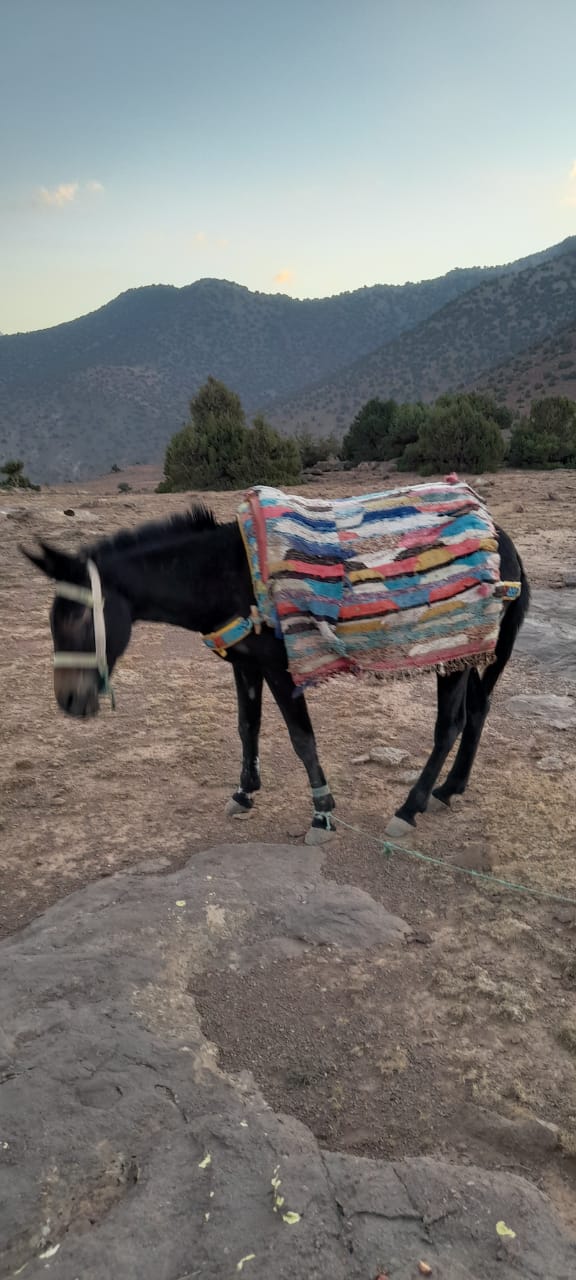
Things to do in the Ouirgane valley
- Village walks: gentle loops through olive and almond groves to Berber hamlets.
- Lake views: walks or picnics above the reservoir.
- Salt pans: traditional salt extraction near the valley (ask your guide about current access).
- Mountain biking: dirt tracks between Ouirgane, Asni and the Agoundis valley.
- Relaxing: several guesthouses have pools and gardens, ideal after a trek.
Ouirgane day trip from Marrakech
A day trip is the easiest way to discover the valley. On our Ouirgane day trip from Marrakech, you drive through the Moulay Brahim gorge and Asni, walk for two to three hours through villages and fields, have lunch with a local family and return in the late afternoon. The drive takes roughly 1 hour 15 minutes each way.
Trekking from Imlil to Ouirgane
For walkers, the best way to arrive in Ouirgane is on foot. Our 3-day trek from Imlil to the Ouirgane valley follows a descending route through the Azzaden valley and the forests beyond. A typical itinerary:
- Day 1: Imlil over the Tizi n'Mzik pass to Tizi Oussem in the Azzaden valley (5–6 hours).
- Day 2: Down-valley through juniper and oak forest and remote hamlets to a village gîte (5–6 hours).
- Day 3: Final descent through red hills and olive groves to Ouirgane (4–5 hours), then transfer to Marrakech.
Because the route loses height overall, it is easier on the lungs than the Toubkal climb, though the descents are long. Read more about the first stage in our Azzaden valley trek guide.
| Option | Duration | Walking per day | Approx. price |
|---|---|---|---|
| Ouirgane day trip | 1 day | 2–3 hours | See day trip page |
| Imlil to Ouirgane trek | 3 days | 4–6 hours | From about €180 per person |
| 3 valleys trek | 3 days | 5–6 hours | From about €180 per person |
Prices are indicative; they include guide, mules, meals and gîte nights on treks.
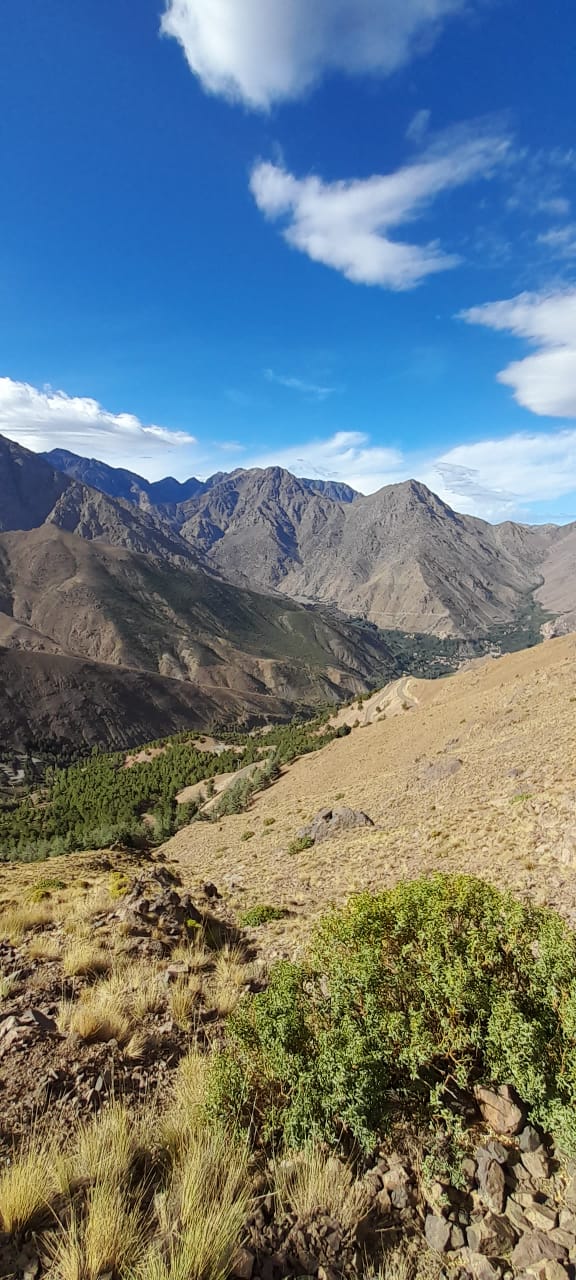
Ouirgane vs. Imlil: what is the difference?
Imlil, at about 1,740 m, is a high mountain village at the foot of Toubkal. Ouirgane, at about 1,000 m, is a lower valley with a milder climate, more trees and a gentler landscape. Imlil is better for summit treks and alpine scenery; Ouirgane is better for relaxed walks, warm winter sun and relaxing stays. Combining them is easy: start in Imlil and finish in Ouirgane, or base yourself in one and visit the other in a day. See our list of things to do in Imlil to compare.
Best time to visit the Ouirgane valley
Thanks to its lower altitude, Ouirgane is pleasant most of the year. Winter days are often sunny and mild, although nights are cold. Spring brings almond blossom (usually February to March) and green fields. Summer can be hot in the middle of the day, so walk early. Autumn is ideal for trekking with stable weather and harvest activity in the villages.
How to get to Ouirgane
From Marrakech, take the road south toward Asni (about 50 km), then continue on the R203 to Ouirgane. Shared grand taxis run from Marrakech to Asni, but a private transfer is far more convenient for groups and luggage. We arrange transfers as part of our tours, and our page on getting from Marrakech to Imlil explains the transport options on the same road.
Where to stay in Ouirgane
Accommodation in Ouirgane is more spread out than in Imlil. You will find family guesthouses in the villages, a few countryside lodges with gardens and pools, and simple gîtes used by trekkers. Because the valley is lower and sunnier, it is a pleasant place to spend a rest day after a trek in the high mountains, especially for families. If you plan to explore further, Ouirgane is also a good stopover on the scenic road over the Tizi n'Test pass toward Taroudant, one of the most spectacular drives in Morocco.
Combining Ouirgane with other trips
Ouirgane fits into many itineraries. Popular combinations include:
- Imlil village walks plus a night in Ouirgane on a relaxed two-day trip.
- The 3 valleys trek, which links several valleys around Imlil on foot.
- A Toubkal climb followed by a descent to Ouirgane for a quieter finish.
- A mountain-bike day on the tracks between Asni, Ouirgane and the Agoundis valley.
Our guides know the paths between these valleys well, and can adjust any itinerary to your pace, interests and the season.
Practical tips for visiting Ouirgane
Bring cash, as card payment is rare. Carry a hat and sunscreen even in winter, since the sun is strong at this altitude. In summer, plan walks for the early morning and late afternoon. Respect village customs: modest clothing, a greeting before entering a village, and permission before photographing people. If you are visiting after heavy rain, ask about track conditions, as some dirt roads become muddy or blocked for a few days.
Key takeaways
- Ouirgane is about 60 km south of Marrakech at roughly 1,000 m.
- It is warmer and greener than Imlil, good for gentle walks year-round.
- A 3-day trek from Imlil to Ouirgane is a scenic, mostly descending route.
- Local tourism supports villages still recovering from the 2023 earthquake.